If you are new to pumping, you want to know what to do about maintaining your new breast pump. All breast pumps need to be maintained to function at optimal levels and Hygeia breast pumps are no different.


Getting Started
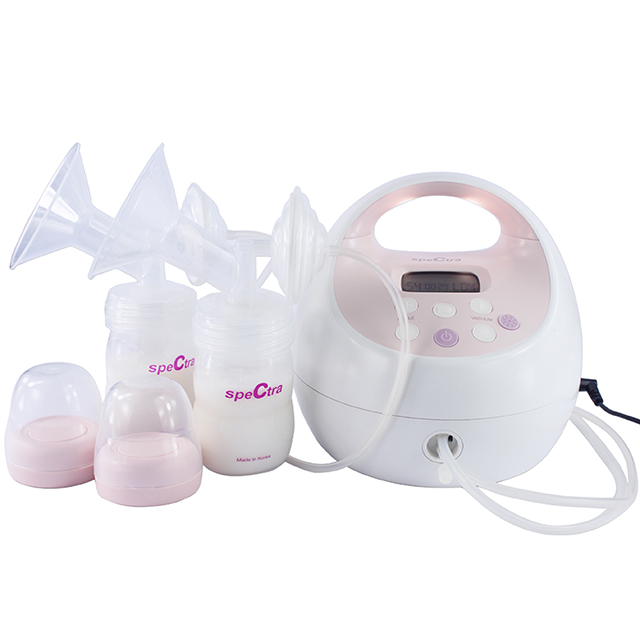
When you get your pump, remove the breast shield from the Hygeia tubing. Then remove the valve from the breast shield. Sterilize only the following parts: breast shield, valve, bottle, bottle ring, disc and cap. Do not sterilize the filter or tubing. Sterilize using the top rack of the dishwasher, microwave steam sterilizer bag or boiling water. If you use boiling water, bring the water to a boil and then leave in for no longer than 3-5 minutes or you will have cloudy or warped parts. Do not use a bottle brush to clean breast pump parts. Do not wash Hygeia filters. Keeping the filters dry, helps maintain their integrity longer.
Re-assemble as per instructions. If you has misplaced your instructions, you can download these Hygeia EnJoye breast pump instructions. But remember, although these breast pumps have a closed system and when you purchase your own kit, you should not share these types of breast pumps with other mothers. Although there is no cross contamination of yeast with a used breast pump, the motor is made to last for one baby and older pumps may compromise your milk supply.
Now that you have your breast pump re-assembled, set your pump to a fast speed and the highest suction level where you feel comfortable. Too high of suction will not help the milk let-down if you feel discomfort. Quick speed gives you the most cycles per minute which helps with milk production and double pumping increases prolactin levels which help with milk supply. For a single baby pump for a full 10-15 minutes of double pumping even if milk stops flowing earlier. This tells your body you want to produce more milk.
Troubleshooting: Replacing Breast Pump Parts
The most common problem with low suction on your breast pump is the result of a part in your kit. To keep your pump functioning at optimum levels, replace the Hygeia valve and Hygeia Bacteriostatic Filter parts every 100 pumping sessions. For a mother who works 5 days a week and pumps 3 times per day, that is every 7 weeks. The rule of thumb for the working mother is to replace these parts every 6-8 weeks. Other parts should be replaced as needed. If you see pinholes in tubing, warped or scratched breast shields it is time to replace parts. Other indicators are if you had a yeast infection as boiling will not kill yeast or if you see a tear in your valve.
It is important to keep replacement parts on hand so that a misfortune with a broken, melted or loss part does not interfere with your milk supply. Having extra breast shields aka breast flanges are also a good way to keep from spending as much time cleaning your parts. Before you purchase extras however, make sure that the standard size is comfortable. You should have space on at least one side of the pump shaft for your nipple to move freely while pumping. If there is no space or you feel discomfort, consider purchasing the next size breast flange.
Maintaining your breast pump is a proactive way to keep your milk supply, but don't forget to pump frequently and don't miss feeding sessions without pumping. For moms with babies under 6 months, that is 8 times per day of feeding or pumping and over 6 months, you need stimulation 5 times per day. Ensure an extra 3 pumping sessions during growth spurts which occur at 3 weeks, 6 weeks, 3 months and 6 months. These extra sessions are a good reminder to replace your pump parts and step up your number of pumping sessions for the full 5-7 day growth spurt period.
Happy Pumping!
Tanya
Thanks for the guide. It is really nice.
ReplyDelete