Expert breastfeeding tips, breast pump guides, flange sizing help, pumping advice, and breast pump product reviews from Lactation Connection. Learn about Spectra, wearable breast pumps, milk supply, pumping schedules, and breastfeeding solutions. Visit lactationconnection.com for info and breastfeeding and pumping supplies.
Wednesday, April 10, 2024
Manual Expression of Breast Milk: Marmet Technique
Wednesday, February 28, 2024
How to Treat Mastitis
When a plugged duct turns into mastitis, it is not something that is not to be taken lightly. How do you know if you have mastitis? Usual symptoms are an area of your breast that is red and painful along with flu like symptoms such as chills or fever.
If you experience these symptoms, use this tactic: Heat, Rest, Empty the Breast
Heat: Apply hot compresses. If you don't have a hot compress on hand, use a disposable baby diaper with hot water in it. This can be re-warmed in the microwave, but test on wrist before applying to breast.
Rest: Sleep when the baby sleeps and get off your feet as much as possible.
Empty the Breast: Point the baby's chin towards the affected area. For example if the clog is more towards your arm, use the football hold. Pump after every feeding for 5-10 minutes to finish emptying anything the baby leaves behind. You may see some information that says to avoid breast pumps, but this is only if you are using them before softening the breast with the hot compresses. Use your pump on a fast speed and only the highest suction level that is comfortable. Do not turn up the suction to an uncomfortable level.
Take ibuprofen such as Advil to relieve pain and reduce swelling. In addition, Sunflower Lecithin capsules are very helpful. This supplement help the fat slide off the sinuses of the breast which can help relieve mastitis sooner. The dosage indicated on thee bottle is one capsule daily. This dosage is only appropriate for maintenance in moms who have a tendency to get clogged milk ducts. During a clogged duct or as a mastitis supplement, it is recommended to take 3-4 of these 1200mg capsules daily such as at breakfast, lunch, dinner and bedtime.
Do not wear an underwire or tight bra. This can complicate your symptoms.
If symptoms continue for more than 24 hours, see a physician as mastitis can turn to abscess.
If you are reading this and have a tendency for clogged ducts, you may want to keep Sunflower Lecithin and a good hot compress on hand. If you are still pregnant, you may want a hot compress that does both hot and cold applications for postnatal engorgement as well. In this case, we recommend the Legendairy Milk Breast-Ease Gel Packs. You can also use these compresses to relive pain but only after feeding or pumping. Cold can restrict the let-down if you use them before feeding or pumping.
Best wishes for health breasts,
Tanya
Friday, February 9, 2024
Harvesting Colostrum: Antenatal and Postnatal Colostrum Collection
Harvesting colostrum both antenatally (before birth) and postnatally (after delivery) is a great way to prepare for the unexpected. Sometimes birth plans do not go to plan and having this liquid gold at your disposal in case of emergency is always a plus especially since colostrum is essential as baby's first immunization, highly concentrated in antibodies and nutrition to boost your baby's immune system. In addition, if feedings are slow to start, colostrum can maintain your baby's blood sugar levels.
A colostrum collection kit makes it easy to have the things you need on hand. While using a breast pump can sometimes cause contractions, a more gentle hand expression is not only safer but more effective in saving every drop. While there are several methods of hand expression found online, research shows that the Marmet Technique is still the most effective so we have included the full instruction sheet below.
Once you have begun hand expression, start by using the smaller 3ml syringe in the colostrum collection kit to draw up the colostrum direction off the nipple and areola. If you use a breast pump, it is harder to get the sticky colostrum off the pump parts and valves. After you have harvested the colostrum, place the syringe(s) into a freezer bag or breast milk storage bag so that you can safely keep them in the freezer. Babies only need a teaspoon of colostrum per feeding initially so the 5ml syringes included are perfect for feeding. Postnatally, more volume of colostrum may be collected so you may want to express into the 50ml container included in the kit as you can also use the syringes to draw from the container for feeding.
The Liquid Gold Colostrum Collection Kit includes:
(6) individually wrapped sterile 3ml syringes with caps
(6) individually wrapped sterile 5ml syringes with caps
(1) 50ml/2oz colostrum container with lid (non-sterile - sterilize before use)
If you have additional transitional milk which is a higher volume of colostrum as the mature milk is coming in, there are 10ml syringes, 50ml minifil bottles and 60ml colostrum containers with lids also available to purchase.
Happy Harvesting!
Tanya
Wednesday, January 17, 2024
Can I Supplement with Formula and Still Breastfeed?
Just like a birth plan, sometimes, breastfeeding does not go to plan and some moms may need to supplement. This does not have to mean the beginning of the end of breastfeeding if caution is used in how you supplement.
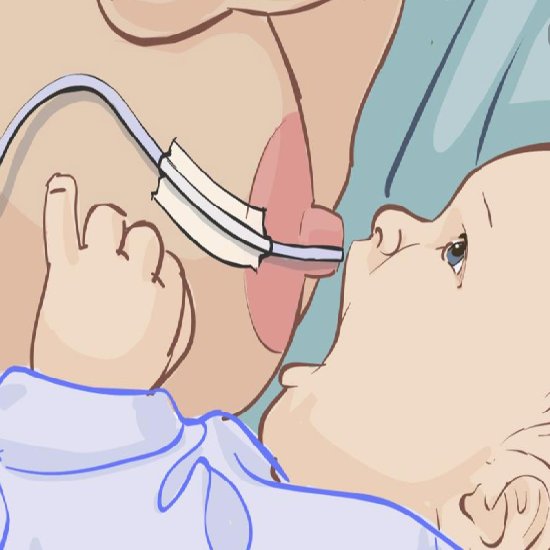
Often supplementation is only necessary for a short term while mom is regaining her milk supply or baby is having a frenotomy to release a tethered tongue to facilitate milk transfer. And the best method for supplementing formula is doing so while keeping the baby at the breast. However, Supplemental Nutrition Systems are often expensive and difficult to clean so short-term feeding tubes are the preferred method in these cases. In the case of supplementing a newborn, the best option is a 5FR feeding tube that is 36" long. Don't opt for a shorter tube such as 15" because the shorter the tube, the faster the flow of milk and babies need to latch and use their tongue and jaw just as they would when exclusively breastfeeding. The act of the baby sucking at the breast while being supplemented also increased mom's milk supply.
You can use the feeding tube by placing the large end in a container and taping the other end of the tubing to the breast with the tube slightly past the nipple since the nipple will elongate during the feeding. You can use a 50ml cap as shown above or just a bottle and nipple by enlarging the hole in the nipple for this use only.
Use medical grade tape such as transpore tape or micropore tape. Micropore tape has been found to be slightly more gentle on dry skin. Image above shows tape on the areola, but you may prefer to start the tape the an inch behind the nipple to keep it secure and out of the infant's mouth. Either way it is best to run the tape in the same direction as the feeding tube
Lactation Aid Feeding Tube Sets can be purchased with tubing, containers, caps and syringes for flushing the tube as well. As I mentioned earlier, this is a short term feeding system so discontinue using the tube if it becomes rigid on the end or after two weeks of use, whichever comes first.
Remember that your goal in short-term supplementing formula is to provide any shortage of nutrition to your baby. So don't supplement the full amount of a feed if your body is making milk. Only supplement the difference in formula. This amount should be decreasing as your body begins to increase in milk supply. In addition to keeping the baby at the breast to further hinder your supply, you will want to take a galactagogue lactation supplement to help you increase supply more quickly. This way the time necessary for supplement is shortened.
Best wishes for short-term supplementation and long-term breastfeeding!
Tanya
Tuesday, November 21, 2023
Get the Most of of Pumping with the Correct Breast Shield Flange Size
Friday, November 10, 2023
Working & Breastfeeding: Pump up your Schedule
Planning to pump for an 8-hour workday will depend on various factors such as your work environment and breaks. However, here's a general sample pumping schedule for an 8-hour 9-5 workday and some tips to make it work for you. Make sure to make a plan for your pumping space ahead of time so you have what you need for cleaning your parts and storing your breast milk.
7:00 AM - Nurse before you leave for work.
9:00 AM - Start of Workday:
10:00 AM - First Pumping Session: Allow at least 15 minutes for at least 10 minutes of pumping with a quality double electric breast pump and 5 minutes to set up and put up your supplies.
12:30 PM - Lunch Break: Eat before your next pumping session so that there are no more than 3 hours between emptying your breasts. This will help ensure a healthy milk supply and offset clogged milk ducts.
1:00 PM - Second Pumping Session: 15 min (Of if you baby's child care is on your work campus, you can opt to nurse during your lunch break instead of pumping.)
4:00 PM - Third Pumping Session: 15 minutes. If you have stored your milk in a refrigerator during the day, make sure to pack it a cooler carrier now so that it is ready to go when your work day ends.
5:00 PM - End of Workday
Remember to communicate your pumping schedule and needs with your employer and colleagues to ensure a supportive and understanding work environment. Adjust the schedule based on your individual requirements and any changes in your work day such as staff meetings. If a meeting or other work emergency prevents you from executing your plan exactly, put your next two pumping or nursing sessions closer together to protect your milk supply. For example, if there was an emergency meeting called at 10:00 am, pump at 11 and again at 1:00. Even if you have to put pumping sessions as close together as one hour, it is better not pump less than three times per day at work. This should not be an every day occurrence as you will extract less milk when pumping sessions are closer than three hours apart, but it helps to protect your breast health and your future milk supply if you keep the same number of pumping sessions even if the schedule varies.
We don't need to remind you to prioritize your baby's well being as you have chosen to give your baby this precious part of yourself, but remember to prioritize your well-being as well. This means you may need to purchase supplies that make it easier for you to pump at work. The easier it is, the longer you will be able to provide this liquid gold for your baby. For example, microwave steam sterilizer bags are a must have if you accidentally drop your pump part on the floor. A breast pump tote bag that houses all your supplies help you consolidate for a quicker pumping session. Buying two breast milk cooler carriers so that you can drop one at day care and have one with you is so helpful. An breathable air-dry pump parts bag to keep your pumps clean and allows them to dry on their own after rinsing. (Do not use a Ziplock bag which causes a greenhouse effect and can grow yeast.) And a hands-free pumping bra can allow you to work while you pump if your job is demanding.
Best wishes for pumping up your schedule!
Tanya
Friday, April 21, 2023
DIY Lactation Aid Feeding Tube Supplemental Nursing System
If you are looking to supplement your baby at the breast due to low milk supply or other feeding difficulty, you know that traditional SNS or Supplemental Nursing Systems are expensive and hard to clean. Moms opt for at-breast supplementation because it makes getting back to breastfeeding much more likely and suckling at the breast is optimal for the infant's tooth and jaw development. Skin to skin feeding is also a bonding experience that should not be overlooked.
Because of the expense of SNS systems and the efforts of leading lactation experts such as Dr Jack Newman and many lactation consultants, many moms have opted to use a DIY method using 6FR or more commonly 5FR feeding tubes.
The upside to using these feeding tubes is that it is much more cost effective as an SNS or LactAid system cost is usually $50-$75. The down side to the DIY supplemental method is that it can be messy and you have to know what you are looking for before you buy the parts to get this done. For example, it might be tempting to think a 15" feeding tube is a good thing because there is less tubing to deal with. This is not the right size for the correct flow of breast milk. 36" feeding tubes in 5FR accurately offer a slow flow for newborns and 36" 6FR offer a medium flow for older or babies with suck difficulties. Choosing a shorter tube increases the flow rate so we advise against it.
That is why Lactation Connection has curated a Lactation Aid Feeding Tube Starter Set for you which includes all the parts you need at a low cost of under $20. This product includes:
(2) 36" feeding tubes in your choice of 5FR slow flow or 6FR medium flow.
(1) 50ml container with (1) storage lid and (1) tubing adapter cap which allows you to use with feeding tube for gravity or anti-gravity feeding and helps prevent spills.
(1) 30cc syringe for flushing feeding tube for cleaning
(1) 1" x 1.5 yard roll of clear medical transpore tape which can be torn bi-directionally. This is used to tape the securely to the breast.
As with all lactation aid feeding tubes, these are not to be used for more than two weeks and should be replaced if milk was allowed to dry in them or if the tubing begins to feel hard.
Best wishes for nourishing your baby at the breast,
Tanya
-
Have you ever wondered how many hours you have actually pumped? Or if the breast pump you used with the last baby still has life left in i...
-
One of the most common breastfeeding questions we get is regarding a mom's breast pump. What breast shield size will work best? Choos...
-
The truth is fenugreek is a great tool to boost milk supply in most moms. However, in the two decades that I have been helping nursing...